
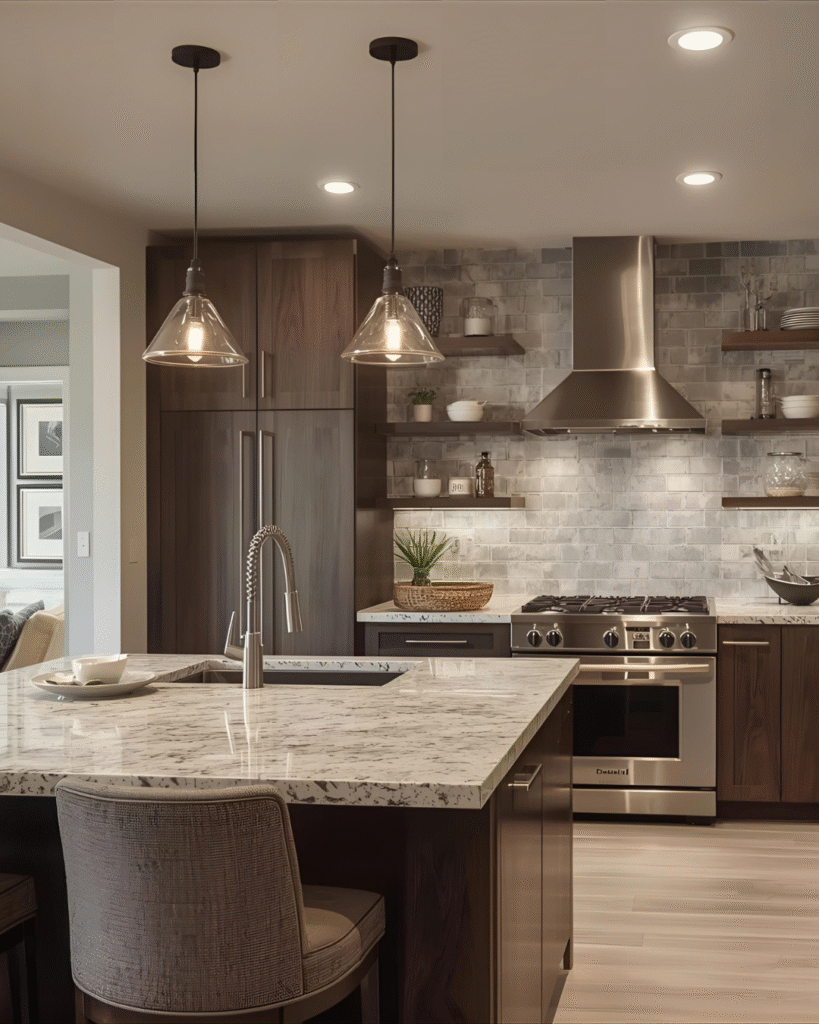
Kitchen and Bathroom Renovations in Fareham: Expert Guide to Costs, Design & Builders | 2026
Kitchen and Bathroom Renovations in Fareham: Transform Your Home with Expert Building and Design Tips
Kitchen and bathroom renovations represent two of the most impactful home improvements you can undertake in Fareham. These spaces aren’t just functional necessities—they’re central to daily family life, significantly influence property values, and often determine how comfortable and enjoyable your home feels. Whether you’re living in a modern development in Locks Heath, a period property in Fareham town centre, or a family home in Stubbington, transforming these key rooms can revolutionize your living experience whilst adding substantial value to your Hampshire property.
This comprehensive guide explores everything Fareham homeowners need to know about kitchen and bathroom renovations, from initial planning and design considerations through to costs, regulations, and selecting the right builder. We’ll examine the specific considerations for properties across PO14-PO17, discuss current design trends, and provide practical advice to ensure your renovation project delivers the results you’re envisioning.
Why Kitchen and Bathroom Renovations Deliver Maximum Impact
Kitchens and bathrooms hold disproportionate importance in property valuations and homeowner satisfaction. Estate agents consistently report that well-designed, modern kitchens and bathrooms significantly influence buyer decisions across Fareham’s property market, from starter homes in Park Gate to executive properties overlooking the Solent in Hill Head.
The kitchen has evolved from a purely functional cooking space to become the heart of modern family life—a place for cooking, eating, socializing, working, and gathering. Fareham families increasingly expect open-plan layouts that connect kitchens with living spaces, creating flexible areas that accommodate everything from homework sessions to entertaining guests. An outdated, cramped kitchen doesn’t just look tired; it actively limits how you use your home and fails to reflect contemporary lifestyles.
Bathrooms similarly impact daily quality of life. Starting each day in a cold, dated bathroom with poor water pressure and inadequate storage affects your mood and routine. Conversely, a thoughtfully designed bathroom—whether a luxurious main suite or a practical family bathroom—makes every day more pleasant whilst adding significant appeal for future buyers.
For Fareham homeowners, these renovations also address practical concerns specific to Hampshire properties. Many homes built during Fareham’s post-war expansion feature small, compartmentalized kitchens that don’t suit modern living. Period properties in areas like Fareham town centre often have bathrooms added as afterthoughts in former bedrooms or corridors, lacking proper ventilation or sensible layouts. Renovation projects offer opportunities to correct these shortcomings, creating spaces that work properly whilst respecting each property’s character.
The financial returns support investment in these rooms. Industry research consistently shows that kitchen renovations can return 75-100% of costs in added property value, whilst bathroom renovations typically return 60-80%. For Fareham’s competitive property market, where buyers have high expectations and numerous choices, superior kitchens and bathrooms frequently differentiate properties and justify premium pricing.
Kitchen Renovations in Fareham: Design, Layout, and Costs
Kitchen renovation projects in Fareham range from straightforward refreshes—new doors, worktops, and appliances within existing layouts—through to complete transformations involving structural changes, extensions, and open-plan conversions. Understanding the options, costs, and considerations helps you plan effectively and make informed decisions about your investment.
Kitchen Layouts and Space Planning
Effective kitchen design begins with layout planning that considers how you actually use the space. The classic “work triangle” principle—positioning sink, hob, and refrigerator in an efficient triangle—remains relevant, but modern kitchens increasingly prioritize zones for specific activities: food preparation, cooking, cleaning, and socializing.
For typical Fareham terraced and semi-detached properties in areas like Portchester or Stubbington, galley or L-shaped layouts often work best, maximizing limited space whilst maintaining efficient workflows. Detached family homes in Locks Heath or Titchfield might accommodate U-shaped or island layouts, creating generous preparation space and casual dining areas. Period properties in Fareham town centre present unique challenges, often featuring awkward proportions or listed building constraints requiring sensitive solutions.
Many Fareham homeowners pursue kitchen extensions to create the spacious, open-plan living areas that modern family life demands. Rear extensions adding 3-4 meters of depth transform cramped kitchens into impressive kitchen-diners or kitchen-living spaces flooded with natural light. Side-return extensions work particularly well for semi-detached and terraced properties, reclaiming previously wasted space beside the house. These structural changes require planning permission considerations, Building Regulations compliance, and professional builders experienced with extensions—all crucial factors when selecting your contractor.
Kitchen Design Trends for Fareham Homes
Contemporary kitchen design in Fareham reflects broader UK trends whilst accommodating Hampshire lifestyles and property characteristics. Shaker-style cabinetry remains consistently popular, offering timeless appeal that suits both modern and traditional properties. Matt finishes in navy, grey, and sage green dominate current specifications, moving away from the high-gloss white units that characterized previous decades.
Open shelving creates visual interest and display opportunities, though requires disciplined organization to avoid looking cluttered. Handle-less push-to-open units deliver sleek, contemporary aesthetics whilst being supremely practical for busy family kitchens. Kitchen islands serve multiple functions—additional preparation space, casual dining, homework stations, and storage—making them highly desirable for properties with sufficient space.
Worktop choices significantly impact both aesthetics and budgets. Quartz composite surfaces offer durability, low maintenance, and extensive color options at mid-range prices, making them popular for Fareham renovations. Granite provides natural beauty and prestige but requires more maintenance. Laminate technology has advanced considerably, now offering convincing stone and wood effects at accessible price points suitable for budget-conscious projects.
Integrated appliances maintain clean lines and cohesive design, with modern Fareham kitchens routinely incorporating integrated dishwashers, fridges, and microwaves. Energy-efficient appliances align with growing environmental awareness whilst reducing running costs—an important consideration given rising energy prices affecting Hampshire households.
Kitchen Renovation Costs in Fareham
Kitchen renovation costs vary enormously based on size, specification, structural changes, and finishes. Understanding typical price ranges helps you budget realistically and make informed decisions about where to invest and where to economize.
For a basic kitchen refresh in a standard Fareham terraced or semi-detached property (approximately 3m x 3m), expect costs of £5,000-£10,000. This covers new cabinet doors and drawer fronts, laminate worktops, standard appliances, and decoration, working within the existing layout. This approach delivers visual transformation without structural work or professional installation costs if you’re reasonably handy.
Mid-range complete kitchen renovations for typical Fareham family homes cost £12,000-£25,000. This includes new cabinetry, quartz or granite worktops, quality integrated appliances, professional fitting, necessary plumbing and electrical work, tiling, and decoration. Many Fareham homeowners find this bracket offers excellent balance between quality and investment, delivering durable, attractive kitchens that meet family needs.
Premium kitchen renovations incorporating structural changes, high-end materials, and bespoke elements run £25,000-£50,000+. These projects might include extensions, bi-fold doors opening to gardens, underfloor heating, premium appliances, hand-painted bespoke cabinetry, and luxury finishes. Properties in sought-after Fareham locations like Hill Head or executive homes in Titchfield often justify this investment, where kitchen quality significantly influences market positioning.
Extensions add substantially to costs. Simple single-storey rear extensions typically cost £1,500-£2,000 per square meter in Fareham, meaning a 4m x 4m extension adds £24,000-£32,000 before kitchen fitting costs. Side-return extensions for terraced and semi-detached properties follow similar pricing. These figures include structural work, roofing, windows, doors, electrics, plumbing, plastering, and decoration—but not the kitchen itself.
Bathroom Renovations in Fareham: Creating Luxurious, Functional Spaces
Bathroom renovations transform essential functional spaces into comfortable, attractive rooms that enhance daily routines and add measurable value to Fareham properties. Whether you’re updating a dated family bathroom, creating an ensuite, or converting a small bedroom into a luxurious main suite, thoughtful planning ensures your investment delivers both practical benefits and aesthetic appeal.
Bathroom Design Considerations
Bathroom design balances functionality, aesthetics, and practical concerns like ventilation, waterproofing, and accessibility. The starting point is always your specific needs and how the bathroom will be used. Family bathrooms in Fareham homes require durable, easy-clean surfaces, adequate storage for multiple users’ toiletries, and layouts that accommodate rushed morning routines. Ensuite bathrooms offer opportunities for more luxurious, spa-like designs focused on relaxation and personal pampering.
Layout planning considers both plumbing practicalities and user experience. Toilet positioning requires privacy from doorways. Showers need sufficient space for comfortable movement—minimum 900mm x 900mm, though 1200mm x 900mm offers notably better comfort. Baths require approximately 1700mm length, with additional circulation space around them. Vanity units provide essential storage whilst housing basins, with wall-hung designs increasingly popular for creating spacious, contemporary feels.
Ventilation represents a critical technical consideration, particularly for Fareham’s coastal climate where damp issues can develop quickly. Building Regulations require mechanical extraction (extractor fans) for bathrooms without openable windows, with specific air change rates mandated. Even bathrooms with windows benefit from mechanical extraction, preventing condensation damage to decorations and fixtures. Poor ventilation causes mold growth, peeling paint, and deteriorating grout—expensive problems to remedy retrospectively.
Waterproofing is non-negotiable around showers, baths, and basin areas. Modern tanking systems create waterproof barriers behind tiles, preventing water penetration that causes structural damage. Wet rooms—increasingly popular for contemporary Fareham bathrooms—require comprehensive floor and wall waterproofing with correctly formed falls to drainage points. These specialized tasks require experienced bathroom fitters who understand Building Regulations requirements and best-practice installation techniques.
Bathroom Styles and Trends
Contemporary bathroom design in Fareham embraces several distinct aesthetic directions. Minimalist modern bathrooms feature clean lines, wall-hung sanitaryware, large format tiles, frameless glass shower screens, and chrome or matt black fixtures. These work particularly well in new developments across Locks Heath and Park Gate, complementing modern architectural styles.
Traditional bathrooms suit period properties in Fareham town centre and Portchester, incorporating freestanding roll-top baths, traditional basin stands, subway tiles, and classic chrome fittings. These designs respect original property character whilst delivering modern comfort and functionality. The key is balancing period-appropriate aesthetics with contemporary performance—traditional-looking sanitaryware with modern water efficiency, for example.
Industrial-influenced designs incorporate exposed pipework, concrete-effect tiles, matt black fixtures, and frameless enclosures. This aesthetic particularly appeals to younger homeowners and rental properties, offering distinctive character at accessible price points. Coastal-inspired schemes—natural materials, soft blues and whites, natural light—resonate with Fareham’s Solent location, particularly for properties in Hill Head and Warsash with sea views.
Walk-in showers have largely replaced bath-shower combinations in many Fareham renovations, particularly for ensuite bathrooms. Frameless glass enclosures create open, spacious feels whilst being practical and easy to clean. For family bathrooms, separate baths and showers offer maximum flexibility, though require sufficient space—realistically, bathrooms of 2.5m x 2m minimum.
Bathroom Renovation Costs in Fareham
Bathroom renovation costs depend on room size, sanitaryware quality, tiling extent, and whether structural or plumbing changes are required. A basic bathroom refresh for a standard Fareham home—new sanitaryware, re-tiling shower area, new flooring, decoration—typically costs £3,000-£6,000 for a small bathroom (approximately 2m x 2m).
Complete mid-range bathroom renovations with quality fixtures, full tiling, modern sanitaryware, and professional installation run £6,000-£12,000 for standard family bathrooms. This includes removing old fixtures, necessary plumbing modifications, complete wall and floor tiling, new sanitaryware suite, shower enclosure or bath, vanity unit, lighting, extractor fan, and decoration.
Premium bathrooms with luxury finishes, high-end sanitaryware, large format tiles, underfloor heating, and bespoke elements cost £12,000-£25,000+. These projects might include walk-in wet rooms with rainfall showers, freestanding designer baths, heated towel rails, LED mood lighting, and premium materials like natural stone. Executive properties across Fareham’s desirable locations often warrant this investment, where bathroom quality significantly influences buyer appeal.
Ensuite conversions from small bedrooms add structural and plumbing complexity. Converting a typical small bedroom into an ensuite bathroom costs £8,000-£15,000, including stud partitioning, door installation, plumbing extensions, electrics, ventilation, complete fitting, tiling, and decoration. These projects add substantial value to Fareham properties, with buyers consistently prioritizing main bedrooms with ensuite facilities.
Building Regulations and Planning for Fareham Renovations
Kitchen and bathroom renovations trigger various Building Regulations requirements that ensure safety, energy efficiency, and proper construction standards. Understanding these obligations prevents costly mistakes and ensures your Fareham renovation complies with legal requirements.
Building Regulations for Kitchen Renovations
Kitchen renovations primarily trigger Part P (Electrical Safety) Building Regulations. Any new circuits, consumer unit changes, or electrical work in the kitchen requires either completion by registered electricians or Building Control notification and inspection. Most complete kitchen renovations involve substantial electrical work—new socket circuits, lighting circuits, appliance connections, extractor fans, and potentially underfloor heating.
If your renovation involves structural changes—removing walls, installing beams, or creating openings—you’ll require structural calculations and Building Regulations approval under Part A (Structure). This is particularly relevant for kitchen extensions or open-plan conversions where load-bearing walls are removed. Professional builders coordinate these approvals, commissioning structural engineers’ calculations and managing Building Control inspections.
Kitchen extensions trigger comprehensive Building Regulations covering foundations (Part A), damp-proofing (Part C), energy efficiency (Part L), ventilation (Part F), drainage (Part H), and electrical work (Part P). Building Control inspects at multiple stages—foundations, damp course, drainage connections, insulation, and completion. Reputable Fareham builders manage this process, ensuring inspections happen at appropriate stages and all work meets requirements.
Building Regulations for Bathroom Renovations
Bathrooms trigger Part G (Sanitation) regulations covering drainage, water supply, and sanitaryware installation. All drainage work must ensure proper falls, adequate trap seals, and suitable materials. Mechanical ventilation requirements under Part F mandate adequate air extraction—typically 15 liters per second for bathrooms with intermittent fans, with overrun timers ensuring continued extraction after lights are switched off.
Electrical work in bathrooms demands particular attention due to water proximity. Part P regulations require circuits installed by qualified electricians, with specific zones around baths and showers where only appropriate IP-rated fixtures can be installed. All bathroom electrical work requires testing and certification.
Structural changes—removing walls, installing steels for larger bathrooms, or creating ensuites within existing rooms—require Building Regulations approval and inspections. Waterproofing, whilst not always explicitly covered by Building Regulations, should follow industry best practices to prevent future water damage and maintain property integrity.
Planning Permission Considerations
Most internal kitchen and bathroom renovations don’t require planning permission, falling under permitted development rights. However, extensions often do require planning permission, depending on size and location. Single-storey rear extensions under 4 meters depth (3 meters for terraced properties) typically fall under permitted development, though notification requirements exist for larger extensions.
Side extensions, front extensions, and any work affecting Fareham’s conservation areas or listed buildings require planning permission. Properties in conservation areas—including parts of Fareham town centre and Portchester near the castle—face additional restrictions. Listed buildings require both planning permission and listed building consent for any alterations, internal or external.
Professional builders experienced with Fareham properties understand these requirements and can advise whether your project needs planning permission. They’ll coordinate applications if required, including architectural drawings, planning statements, and any additional documentation like heritage statements for sensitive locations.
Selecting the Right Builder for Your Fareham Renovation
Choosing appropriate builders represents perhaps the most critical decision in your renovation project. The right contractor delivers quality work, maintains schedules, communicates effectively, and handles inevitable challenges professionally. The wrong choice results in stress, additional costs, delays, and potentially substandard work requiring costly remediation.
Essential Qualities in Fareham Builders
Start by seeking builders with demonstrable experience in kitchen and bathroom projects specifically. General building skills don’t automatically translate to the specialized knowledge required for these complex renovations. Kitchens and bathrooms involve multiple trades—plumbers, electricians, tilers, plasterers, carpenters—coordinated efficiently to maintain schedules and quality standards.
Local knowledge matters significantly. Builders familiar with Fareham properties understand typical construction methods, common issues like damp in coastal areas, local supplier networks for materials, and relationships with local Building Control officers. They’ll recognize whether your 1960s semi in Stubbington likely has cavity walls, anticipate challenges with drainage falls in bungalows common around Hill Head, and know appropriate solutions for period properties in Fareham town centre.
Proper insurance and accreditations provide essential protection. Builders should carry public liability insurance (minimum £2 million) and employers’ liability insurance if they employ staff. Memberships in trade organizations like the Federation of Master Builders, Checkatrade accreditation, or TrustMark registration indicate commitment to professional standards, though aren’t guarantees of quality in themselves.
Obtaining and Evaluating Quotes
Obtain detailed quotes from at least three Fareham builders for comparison. Quotes should itemize all work elements—demolition and removal, structural work, plumbing, electrical work, plastering, tiling, decoration, and materials. Vague, single-figure quotes make comparison impossible and often lead to disputes over what’s included.
Be suspicious of quotes significantly lower than others—they often indicate corners being cut, materials of inferior quality, or incomplete understanding of the work required. Equally, the highest quote isn’t necessarily the best; you’re seeking value, professionalism, and confidence they’ll deliver your vision, not simply the cheapest or most expensive option.
Request recent references from comparable projects in Fareham. Speak with previous clients about their experiences—did the builder maintain schedules, communicate effectively, handle issues professionally, and deliver quality work? Were there unexpected costs, and if so, were they justified and communicated properly? Would they use this builder again?
Visit completed projects if possible. Photographs in portfolios can be misleading; seeing actual work reveals quality of tiling, attention to detail in finishing, and overall standards. Look for neat grout lines, level tiling, tidy silicone applications, flush door fittings—details that distinguish quality craftsmen from rushed work.
Project Management and Communication
Establish clear communication expectations from the outset. Who’s your day-to-day contact? How quickly will they respond to questions? Will they provide regular updates on progress? Good builders maintain communication throughout projects, alerting you to any issues, decisions required, or schedule changes promptly.
Understand the project timeline with key milestones. When will each trade work? When are Building Control inspections scheduled? When will you be without kitchen or bathroom facilities? Realistic schedules account for material delivery times, inspection coordination, and drying times for plastering and tiling. Be wary of overly optimistic timelines that don’t allow appropriate time for quality work.
Payment schedules should align with work completion stages rather than demanding large upfront payments. Typical structures involve a small deposit (10-15%), payments upon completing defined stages (first fix, second fix, etc.), and final payment upon satisfactory completion. Never pay in full before work is complete—you lose all leverage if problems arise or work remains incomplete.
Ensure contracts clearly specify all work included, materials to be used (including makes and models for sanitaryware and appliances), start and completion dates, payment schedules, and procedures for handling variations or additional work. Written contracts protect both parties and prevent misunderstandings that cause conflicts.
Practical Considerations for Living Through Renovations
Kitchen and bathroom renovations cause inevitable disruption to daily life. Planning how you’ll manage without these essential facilities prevents stress and helps projects proceed smoothly.
Managing Without a Kitchen
Complete kitchen renovations typically take 2-4 weeks, during which you’ll have no cooking facilities, limited water access, and significant dust and noise. Plan temporary cooking arrangements—microwave meals, takeaways, barbecues if weather permits, or setting up a temporary kitchen in another room with kettle, microwave, and portable hob. Many Fareham families find this period challenging with school-age children requiring packed lunches and regular meals.
Consider timing around school holidays if possible, when routines are more flexible and you might spend more time out of the house. Protect carpets and furniture in adjacent rooms from dust with plastic sheeting. Ensure builders know which bathroom they can use and whether you have alternative facilities.
Bathroom Disruption
Bathroom renovations cause more acute disruption as you cannot manage without toilet and washing facilities. If renovating your only bathroom, projects must proceed efficiently—typically 1-2 weeks for complete renovations. Many Fareham homeowners arrange to stay with family or friends during this period, particularly if young children are involved.
If renovating one of multiple bathrooms, schedules can be more relaxed. Ensuite projects cause minimal disruption to household routines. For single-bathroom properties, discuss schedules carefully with builders—can they install the toilet first so you have at least that facility? Can they work efficiently to minimize the period without washing facilities?
Dust, Noise, and Protecting Your Home
Renovation work generates substantial dust from plastering, cutting tiles, and general demolition. Professional builders use dust extraction equipment and seal work areas with plastic sheeting to minimize spread throughout your Fareham home. Expect some dust migration despite best efforts—it’s worth protecting valuable furniture and soft furnishings in adjacent rooms.
Noise from power tools, hammering, and drilling is unavoidable. If working from home or have young children napping, discuss working hours with builders. Standard hours are typically 8am-5pm weekdays, with work on Saturdays often acceptable but Sundays generally avoided in residential areas.
Professional builders protect your property with floor coverings on routes through your home, remove shoes when entering clean areas, and maintain tidy work areas. They should remove rubble and waste regularly rather than allowing it to accumulate. Discuss these expectations at the outset—good builders take pride in respecting your home and minimizing disruption.
Maximizing Your Investment: Added Value and Long-Term Benefits
Kitchen and bathroom renovations deliver returns beyond immediate enjoyment, significantly impacting property values and marketability across Fareham’s competitive housing market. Understanding how to maximize this investment ensures you make decisions that benefit both current living and future sale prospects.
Balancing Personal Preference with Market Appeal
While your kitchen and bathroom should suit your tastes and lifestyle, overly personal or eccentric design choices can limit appeal to future buyers. Bright purple kitchen units or mosaic-tiled bathrooms featuring your favorite sports team might delight you but horrify potential purchasers, limiting your buyer pool and potentially reducing offers.
Aim for broadly appealing, timeless designs with personality added through easily changeable elements like paint colors, accessories, and soft furnishings. Neutral base colors—whites, greys, soft blues, natural woods—appeal widely across Fareham’s diverse property market whilst still looking attractive and contemporary. You can inject character through lighting choices, hardware finishes, tiling patterns, and worktop selections without committing to irreversibly polarizing designs.
Quality matters more than trendiness. Well-made cabinetry in classic styles outlasts fashionable but poorly constructed alternatives. Quality sanitaryware, proper waterproofing, and skilled installation provide lasting value, whilst cutting corners to chase trends often results in early replacement needs.
Energy Efficiency and Running Costs
Modern renovations offer opportunities to improve energy efficiency, reducing running costs whilst appealing to environmentally conscious buyers. Energy-efficient appliances use substantially less electricity than older models—important given rising energy costs affecting Hampshire households. A-rated refrigerators, dishwashers, and washing machines cost more initially but deliver savings throughout their lifespans.
LED lighting throughout kitchens and bathrooms provides excellent illumination whilst consuming minimal electricity. Water-efficient taps, showerheads, and dual-flush toilets reduce water consumption and bills—particularly relevant for metered properties common across Fareham. These efficiency measures add appeal to buyers increasingly aware of running costs when assessing properties.
Insulation improvements during kitchen extensions provide long-term comfort and efficiency benefits. Modern Building Regulations require high insulation standards, meaning new extensions are considerably warmer than original structures. Underfloor heating, whilst initially expensive, provides luxury comfort and efficient heating distribution, particularly appealing in bathrooms.
Common Mistakes to Avoid in Fareham Renovations
Learning from others’ errors prevents costly mistakes in your own project. These common pitfalls affect Fareham homeowners undertaking kitchen and bathroom renovations.
Insufficient Planning and Design
Rushing into renovations without thorough planning causes numerous problems. Living with new layouts reveals flaws that weren’t obvious on plans—insufficient worktop space, poorly positioned sockets, awkward door swings, inadequate storage. Invest time in detailed planning, measuring carefully, considering workflow and daily usage patterns, and consulting professionals about feasibility and potential improvements.
Ignoring the Importance of Lighting
Lighting dramatically affects how kitchens and bathrooms function and feel. Single ceiling lights create shadows exactly where you’re working—over kitchen worktops and bathroom mirrors. Proper lighting design incorporates task lighting (under-cabinet lights for food preparation, vanity lights beside bathroom mirrors), ambient lighting (ceiling lights), and accent lighting (highlighting features or creating atmosphere). This layering creates functional, attractive spaces usable throughout the day and evening.
Choosing Style Over Substance
Beautiful finishes lose appeal quickly if underlying functionality fails. Gorgeous tiles laid poorly with uneven surfaces and poor grouting look terrible within months. Cheap sanitaryware with weak flushing mechanisms or dripping taps causes frustration despite attractive appearances. Prioritize quality materials and skilled installation over cosmetic appeal—the foundation of successful renovations.
Inadequate Storage Planning
Storage needs always exceed initial estimates. Plan more storage than you think necessary—deep drawers for pans, pull-out larders for tinned goods, tall units for cleaning equipment, vanity units for bathroom toiletries. Retrofitting additional storage is expensive and often impossible, so over-specify initially.
Neglecting Ventilation
Poor ventilation causes persistent problems—condensation, mold growth, peeling paint, deteriorating grout, unpleasant odors. Proper mechanical extraction is essential, particularly in Fareham’s coastal climate where moisture levels are naturally higher. Don’t economize on ventilation—install appropriately sized extractors ducted externally, and ensure they run long enough after use to remove moisture effectively.
Getting Started with Your Fareham Kitchen or Bathroom Renovation
Transforming your kitchen or bathroom represents a significant investment in your Fareham home’s comfort, functionality, and value. Success requires careful planning, realistic budgeting, selecting skilled builders, and maintaining involvement throughout the project.
Start by clarifying your objectives and priorities. What problems are you solving? What improvements matter most? What’s your realistic budget, including contingency for unexpected issues? Create mood boards with examples of styles, colors, and features you like—this helps communicate your vision to designers and builders.
Research builders thoroughly, obtaining detailed quotes and checking references carefully. Don’t simply accept the cheapest quote—consider value, professionalism, and confidence they’ll deliver your vision. Establish clear contracts covering all work elements, payment schedules, and completion timelines.
Prepare for disruption but remember it’s temporary. The inconvenience of living through renovations fades quickly once you’re enjoying your transformed spaces. Professional builders minimize disruption whilst maintaining quality standards, ensuring your investment delivers the results you’re envisioning.
Whether you’re updating a dated kitchen in Portchester, creating an ensuite in Locks Heath, or completely transforming your Fareham town centre property, quality renovations enhance daily living whilst adding substantial value to your home. With thorough planning, skilled local builders, and realistic expectations, your kitchen or bathroom renovation becomes an exciting project rather than stressful ordeal—creating beautiful, functional spaces you’ll enjoy for years to come.